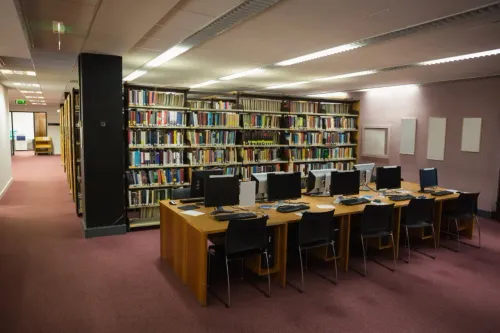
A reserved cabin improves reading only when it removes the specific interruptions that break your attention without introducing heat, glare, stale air, uncomfortable furniture or a false sense of privacy. By the end, you can compare the cabin with other study settings, inspect the features that affect concentration and run a realistic trial before paying for membership.
Key takeaways
- Choose a cabin when interruptions, not difficult material, are reducing your reading output.
- Compare enclosed cabins with open libraries, shared study halls, and home workspaces.
- Inspect lighting, ventilation, desk space, power outlets, and noise before joining.
- Calculate reservation cost against travel time, lost focus, and unused hours.
When a reserved cabin improves concentration and recall
A reserved reading cabin in Jaipur improves reading results only when it removes interruptions that were costing you pages. Reservation prevents seat-hunting and reduces walk-through traffic, casual conversation, and repeated relocation; enclosure alone does not improve comprehension or recall.
Judge the cabin by completed reading time and what you can reproduce afterward. If notifications, laptop switching, noisy typing, door slams, adjacent speech, traffic, or generator noise continue, the cabin may look private while your attention keeps changing.
Check steady HVAC noise and nearby speech; 30 dB(A) is a useful quiet-room benchmark and 35 dB(A) a classroom benchmark, not a guarantee for every cabin.
| Setting | Helps most when | Main failure |
|---|---|---|
| Reserved cabin | You need a fixed place and fewer visual interruptions | Poor ventilation, heat, speech, or device distractions |
| Shared library desk | You need books, space, and low-cost flexibility | Nearby movement and conversations break attention |
| Un-reserved section | Your schedule changes and you can tolerate seat-hunting | Your routine collapses when preferred seats are occupied |
| Home study setup | You control lighting, temperature, and breaks | Household noise and easy phone access interrupt reading |
| Private room | You need maximum separation for long sessions | Isolation can hide stuffiness, reverberation, or unproductive screen use |
A small pod can still trap heat and amplify keyboard noise; an individual reading room in Jaipur has more scope for a sealed door, acoustic absorption, and fresh-air supply. Confirm that ventilation works with the door closed: inadequate outdoor air creates stuffiness and drowsiness, even in a visually quiet cabin.
Privacy is not silence: compare the main reading environments
A cabin improves reading only when it removes interruptions that actually break your attention. Privacy is not silence: speech through a partition, door slams, HVAC hum, traffic and generator noise can still interrupt comprehension, while reservation prevents seat-hunting and walk-through traffic.
| Option | Advantage | Limitation | Best fit |
|---|---|---|---|
| Reserved cabin | Fixed seat, fewer visual distractions and interruptions | Can become stuffy, hot or acoustically poor; a sealed box also creates safety and accessibility concerns | Long, routine sessions when nearby readers disrupt you |
| Shared library desk | More space for books and devices; easy staff access | Conversations, movement and seat changes remain visible and audible | Readers who tolerate activity and need a large work surface |
| Un-reserved section | Flexible arrival and no reserved-seat commitment | You may lose time finding a seat or adapting to a new position | Irregular visits and short sessions |
| Home study | No commute, personal materials always available | Chores, family, phone use and inconsistent routine compete for attention | Readers with a reliably controlled room |
| Private room | Strongest control of sightlines, noise and belongings | Higher space cost; isolation can reduce routine and accountability | Daily readers needing maximum control |
For a private reading space in Jaipur, check sound during your actual study period rather than trusting “private.” WHO references 30 dB(A) for night-time bedrooms and 35 dB(A) for classrooms; use them as benchmarks, not cabin pass marks.
A quiet cabin for reading in Jaipur also needs fresh-air ventilation with the door closed, safe visibility or release, and lighting that does not reflect across the page.
What to inspect inside the cabin before you join
A cabin remains usable for hours only when its temperature, airflow, sound, lighting and furniture stay comfortable throughout your real session. Visit the individual reading room in Jaipur at the time you plan to study, not only during a quiet morning tour.
| Feature | Usable condition | Warning sign |
|---|---|---|
| Thermal comfort | Shaded glazing, an insulated ceiling and adjustable airflow | West-facing glass, heat near the window or cold air blowing on your neck |
| Sound | Quiet HVAC, sealed door and little speech beyond the walls | Door slams, generator noise, reverberation or voices through the ceiling |
| Air and light | Fresh air without a fan roar, glare-free task lighting and daylight you can control | Stale air, flicker, screen reflections or a permanently bright overhead light |
| Furniture | Adjustable chair, desk depth for your books and enough legroom | Sore pressure points, cramped knees or a desk that forces you to hunch |
Sit and read for 20 minutes. Check whether the chair supports your lower back, your feet rest flat and the desk leaves room for a laptop, notebook and water bottle.
Then ask to hear the room during its busiest period. A wall’s STC rating does not prove quietness if sound travels through the door gap, ventilation duct, ceiling or floor. For reference, 30 dB(A) suits a quiet bedroom at night and 35 dB(A) suits a classroom; speech that remains clearly intelligible deserves a different cabin.
A pod can block sightlines yet trap heat and echo. A full room gives more scope for ventilation, absorption and door sealing.
Seat rules, devices and the real cost of reservation
Confirm the reservation policy before paying: a fixed seat improves routine only if the space will remain yours, your absence will not forfeit it unexpectedly, and the rules match how you read. A reading cabin library in Jaipur should publish these terms rather than explain them only after enrolment.
- Fixed seat: Ask whether your cabin and chair are assigned permanently or released during low-use periods.
- Conduct: Confirm speaking limits, phone calls, food, music, keyboard noise, video meetings and headphone rules.
- Devices: Check charging points, laptop hours, Wi-Fi restrictions and whether calls must happen outside.
- Personal items: Ask whether books and stationery may stay overnight, and what happens after abandoned items are removed.
- Absences: Find the number of days you can miss, whether notice is required and whether the seat can be reassigned.
- Seat changes: Confirm the process for moving because of heat, noise, a faulty chair or a neighbouring disturbance.
- Guests: Check whether visitors need permission, can use the cabin and count against your booking allowance.
- Cancellation: Read the notice deadline, refund calculation, minimum commitment and policy for missed or late-cancelled sessions.
Judge monthly value by dividing the total fee by the hours you genuinely expect to read, then add travel time and unused bookings. A short cancellation deadline, limited consecutive bookings and fair absence rule protect availability; long unattended reservations waste money and leave cabins empty.
Choose the reservation when its extra cost buys completed reading hours, not simply a door and a nameplate.
Run a realistic trial before choosing a reserved cabin
Test the cabin for the same 60–120 minutes you intend to read, during the busiest relevant period. A ten-minute visit can hide evening conversations, door slams, heat near glazing, unstable Wi-Fi and an uncomfortable chair.
| Trial setting | Keep constant | Record |
|---|---|---|
| Shared desk or home setup | Same book, phone settings and session length | Completed reading minutes, pages and interruptions |
| Reserved cabin | Same book, phone settings and session length | Completed reading minutes, pages and interruptions |
| Private reading space in Jaipur | Use only if it represents your likely alternative | Comprehension and next-day recall |
Run two sessions in each setting, alternating the order so fatigue does not favour the cabin. After every session, answer five questions without checking the text and write five key points from memory the next day. Count only genuine reading time; occupancy, page-turning and the feeling of being focused are not results.
- Note speech, keyboard noise, traffic, generator sound, ventilation and temperature.
- Keep your phone and laptop rules identical in every trial; a reserved reading cabin in Jaipur cannot fix notifications or noisy typing.
- Compare average completed minutes, correct answers and recalled points.
- Choose the cabin only if it improves at least one important result without damaging the others.
Ask Blinkers Co-Study Space for a trial matching your peak study hours, not a quiet midday tour. Also confirm the cancellation deadline and booking length before paying, because an impressive cabin that you cannot use consistently has little value.
Related product
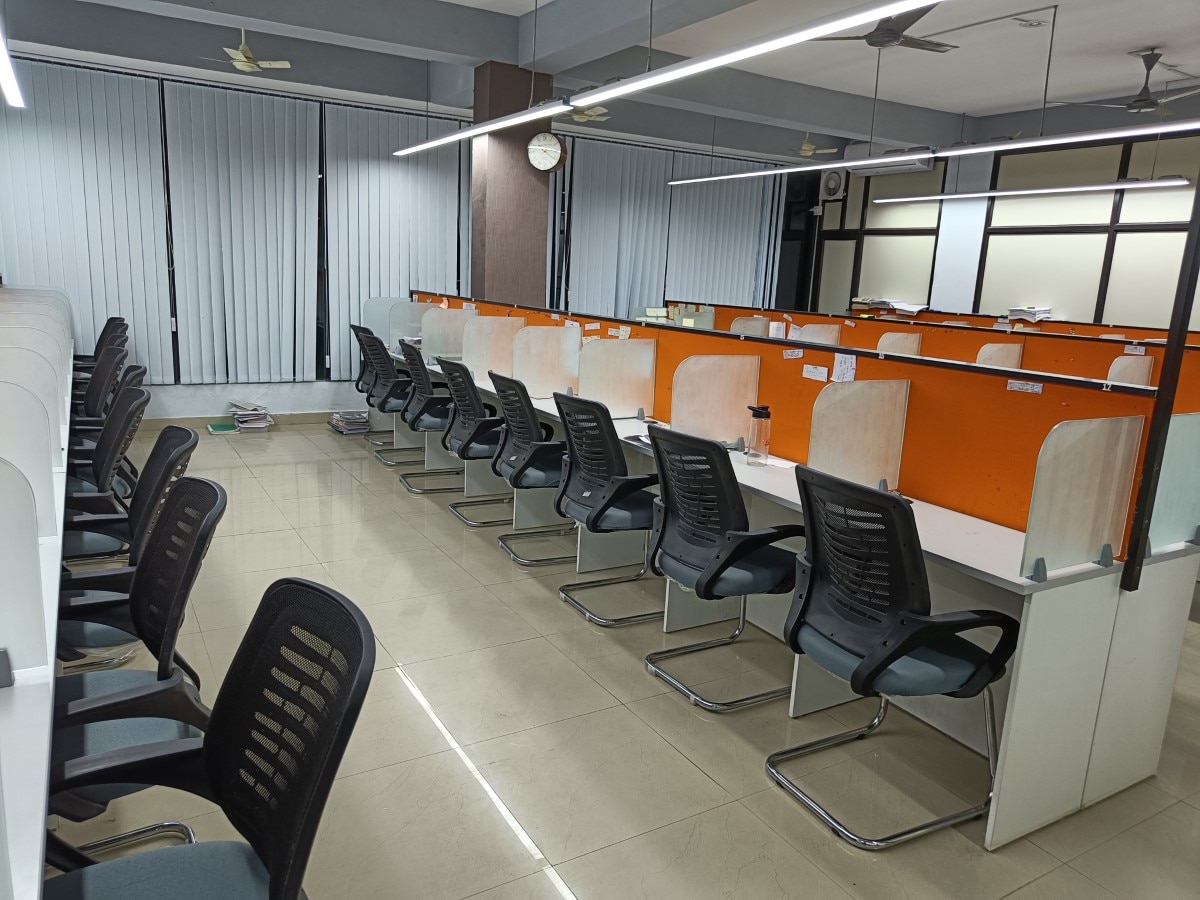 | Hall B Reserved Cabin ₹2000 Blinkers Library’s Reserved Cabin offers a dedicated workspace with limited occupancy, providing a quieter and more private environment. |
Frequently asked questions
When does a reserved cabin improve concentration and recall?
It helps when seat-hunting, walk-through traffic, conversation, or repeated relocation interrupts your reading. Enclosure alone does not improve comprehension or recall.
Is a private cabin always quieter than an open reading room?
No. Check noise from doors, corridors, air conditioners, neighbouring cabins, and conversations before choosing a private reading space in Jaipur.
What should you inspect before joining a reading cabin library in Jaipur?
Check the desk size, chair support, lighting, ventilation, temperature, power outlets, Wi-Fi, cleanliness, security, and the cabin’s actual noise level.
How can you test whether an individual reading room is worth reserving?
Run a realistic trial during your intended study hours and compare pages completed, interruptions, recall, travel time, and total reservation cost.
Keywords